Methane Solutions at London Climate Action Week: Data, Policy and Pathways to Action
Published on: Jul 02, 2026
Against the backdrop of one of the hottest London Climate Action Weeks (LCAW) on record, leaders from around the world gathered to exchange ideas and build concrete pathways to address global temperature rise.
The topic of methane was central to many conversations, including a high-level super pollutant reception hosted by the British monarch King Charles III at St. James’s Palace. As Europe evolves its methane regulations, the super-pollutant gas has become an increasingly pressing issue for policymakers, governments, industry leaders and local communities.
Reducing this greenhouse gas, which has 80 times the warming potential of carbon dioxide over 20 years, is one of the fastest ways to slow near-term warming while reductions in carbon dioxide emissions continue to scale.
Focusing on methane is not only critical to meeting climate goals; the social benefits are immense — from public health to air quality, energy security, waste management and economic vitality.
Carbon Mapper hosted a panel focusing on how satellite methane data is being used to tackle methane emissions across global energy, waste and agriculture sectors.
Experts from Carbon Mapper, UN Environment Programme (UNEP)’s Climate & Clean Air Coalition (CCAC), the International Methane Emissions Observatory (IMEO), Clean Air Task Force (CATF), RMI, and Global Methane Hub gathered to discuss challenges and opportunities for reducing methane emissions in Europe and beyond.

During London Climate Action Week, a panel of experts hosted by Carbon Mapper explored how technology, accessible data, policy and local leadership can drive methane action.
The growing availability of emissions data has presented new opportunities for methane mitigation, the panel highlighted, including financing, capacity-building, and incentives for decision makers to act on emissions data.
While headwinds exist, speakers emphasized how data-driven solutions are already pinpointing some of the largest opportunities for rapid, site-specific action. They also highlighted the need to seize today's methane momentum and scale-up proven successes.
Data-driven solutions for site-specific action
Super-emitters, large emissions events that stem from specific facilities or pieces of infrastructure, are a huge opportunity to drive fast progress. Panelists from Carbon Mapper and IMEO discussed a recent partnership aiming to put more actionable super-emitter data directly into the hands of stakeholders.
Carbon Mapper data, derived from Planet’s Tanager-1 satellite and aerial observations, attributes super-emitter events at high granularity. We also make this data publicly available on our portal, working directly with governments and industry to empower direct mitigation as well as integration of data into programs designed to reduce methane.
The UNEP’s IMEO draws methane data from over 35 satellites for its Methane Alert and Response System (MARS), which notifies governments and companies of detected emissions events so they can take corrective actions.
This partnership spotlights a targeted and collaborative approach to addressing some of the largest emitters — while laying an effective pathway to make significant near-term reductions in overall emissions.
“This data to action pipeline is having proof points of success,” Meghan Demeter, Government Engagement Lead at IMEO, said at the event. She noted that the MARS program has documented over 40 cases where satellite data and notifications led to confirmed mitigation action. The estimated impact was roughly equal to taking 24 million vehicles a year off the road.
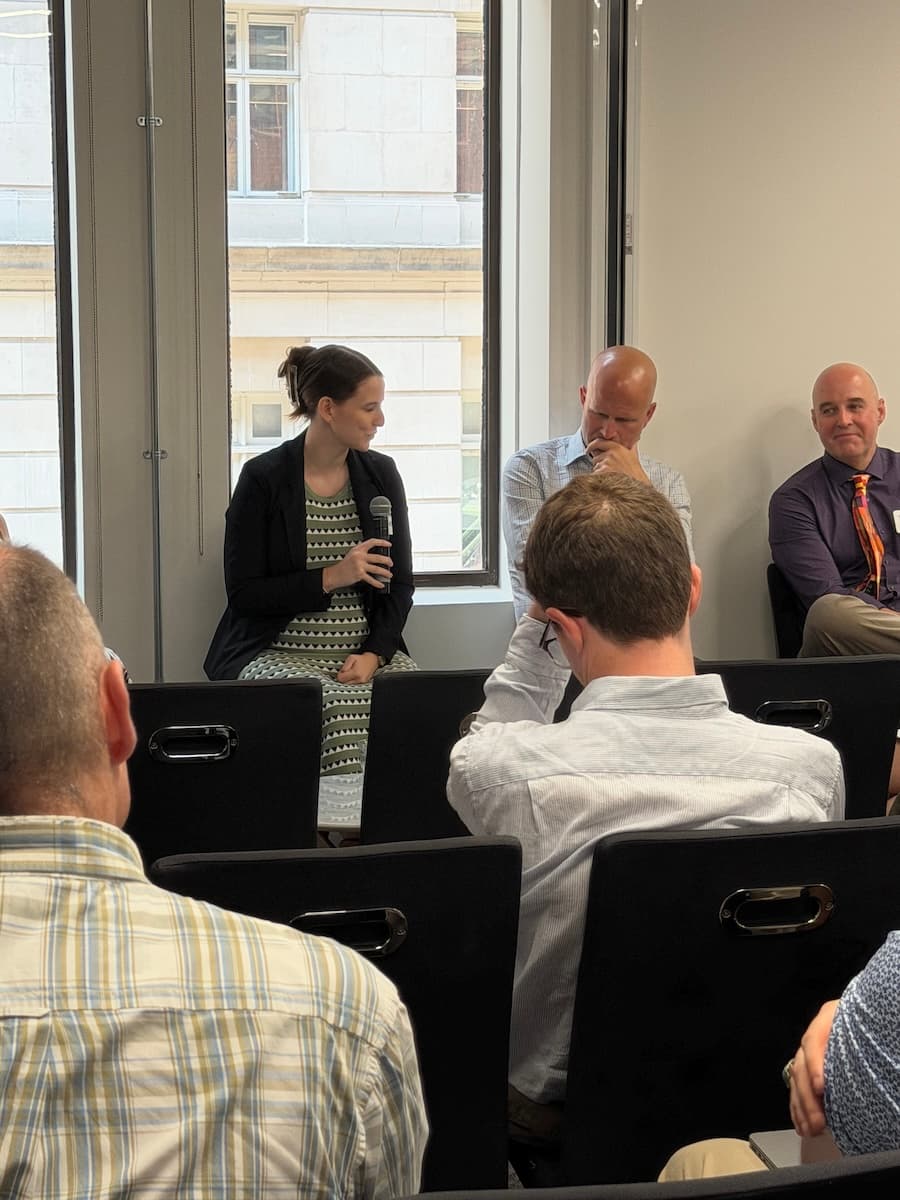
Meghan Demeter, Government Engagement Lead at IMEO, speaks at the Carbon Mapper panel on methane data and solutions at London Climate Action Week.
“This is one of the key reasons why we're really excited to be partnering with Carbon Mapper and bringing in Tanager data through the MARS notification process,” Meghan said. “Because we know more data can catalyze more mitigation action.”
Data is also driving policy action, unlocking financing and influencing operator behavior in the waste sector, shared Marcelo Mena, CEO of Global Methane Hub.
He offered a few examples.
Large emissions at a Mumbai landfill, detected via satellites, prompted an inquiry by the High Court. In Indonesia, awareness of large landfill emissions led the Ministry of Environment to consider new emissions regulations. In Chile, emissions data from a landfill supported financing for methane capture projects.
“None of this would have been available if we didn't pinpoint the problem,” Marcelo said.
Precise data enables two key levers, Marcelo shared: transparency and conversation. Operators who were once skeptical are often open to solutions, like diverting organic waste or improving contracts and infrastructure, once they are shown the data and engaged in a solutions-oriented conversation. Identifying emissions can often be the first step toward action.
Scaling successes
The discussion also reinforced how, in many cases, the technology and solutions already exist to reduce emissions. The methane community is responding — moving from making emissions transparent to helping build the systems, partnership and incentives needed to scale up implementation.
Fortunately, there are pathways, including trusted data, financing, policy and collaboration.
“What we’ve seen is that people do act on data when three things happen,” Riley Duren, CEO of Carbon Mapper, said at the event. “The measurements are trusted, the data is accessible, and people are incentivized and resourced to act.”
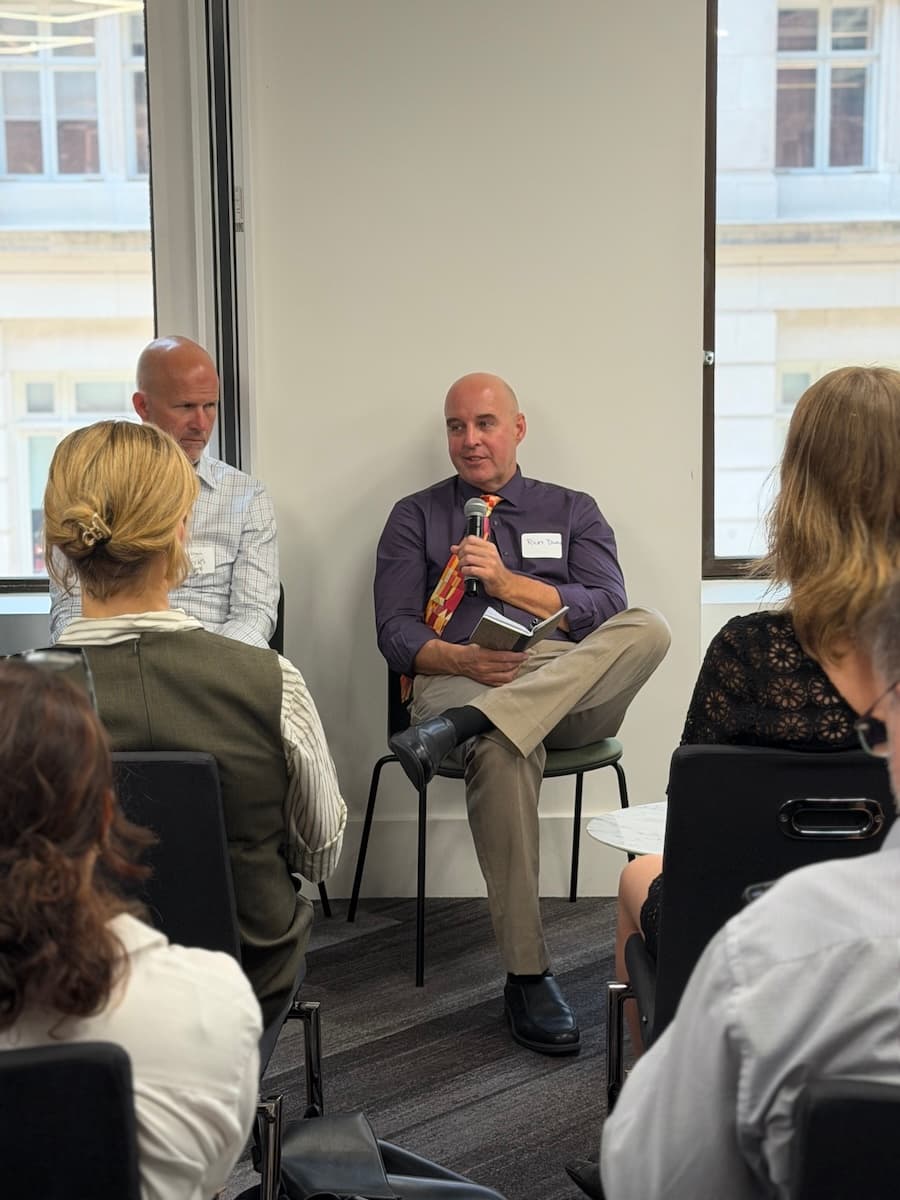
Carbon Mapper CEO Riley Duren speaks at the panel on methane data and solutions at London Climate Action Week.
Several panelists pointed to Europe's evolving methane regulations as an example of how policy can help overcome barriers that market forces alone have struggled to address.
Jonathan Banks, Vice President of Methane Pollution Prevention at CATF, highlighted financial links between national oil companies and government operating budgets as an example of ways to better align incentives and economic value.
The path forward: Bold leadership and collaboration
Another decisive point was the need for bold leadership and collective work.
“I really think the big gap is one of leadership. Where we've succeeded is where someone has led,” Riley said, noting the role governments, industry, NGOs, and philanthropy play in building the capacity to act on emissions data.
One example of a multi-organizational and global collaboration is the Lowering Organic Waste Methane (LOW-Methane) initiative, which aims to accelerate Global Methane Pledge and the Paris Agreement commitments by cutting 1 million tonnes of annual methane emissions from the solid waste sector well before 2030.
Translating data from inventories and direct observations into actionable insights and strategies is part of the work the LOW-M coalition focuses on, said Gisela Provasi, LOW-M Project Director at UNEP and member of CCAC.
“At the end of the day, it's about prioritizing the solutions, so we can deliver them on time to buy us time for more solutions,” she said.
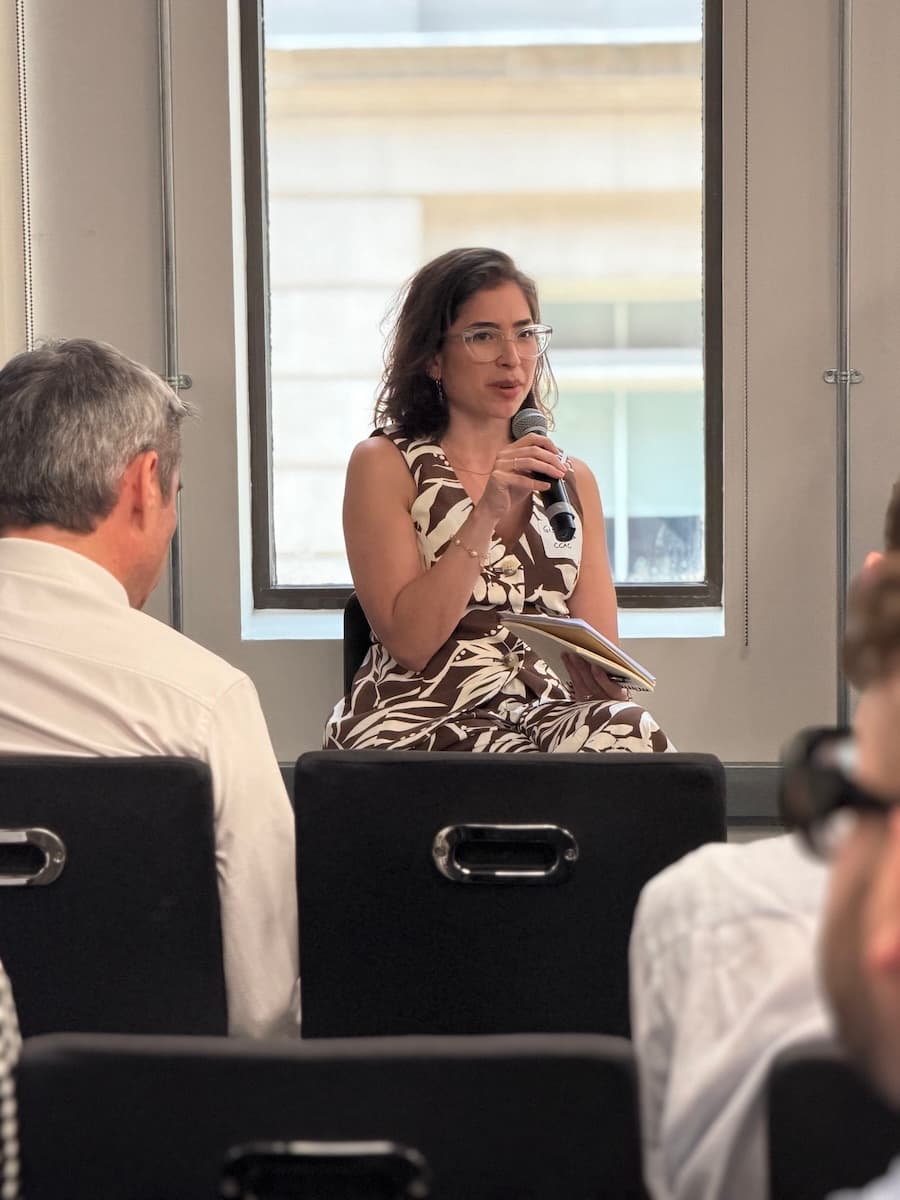
Gisela Provasi, LOW-M Project Director at UNEP and member of CCAC, speaks at the Carbon Mapper panel on methane data and solutions at London Climate Action Week.
No single organization or technology can solve methane emissions alone. While an increase in precise emissions data is changing what's possible, and more organizations and governments are using data to prioritize mitigation efforts, collaboration is imperative.
Innovative science and technology is making methane emissions more visible and actionable. More work is needed to develop and deploy a portfolio of solutions that can address a majority of super-emitter events to reduce climate warming and secure a stronger and healthier future.
As temperatures climbed across London throughout the week, the discussion underscored why methane has become an urgent focus.
Not only are emissions being measured with increasing precision, but also practical solutions exist to start lowering them today.